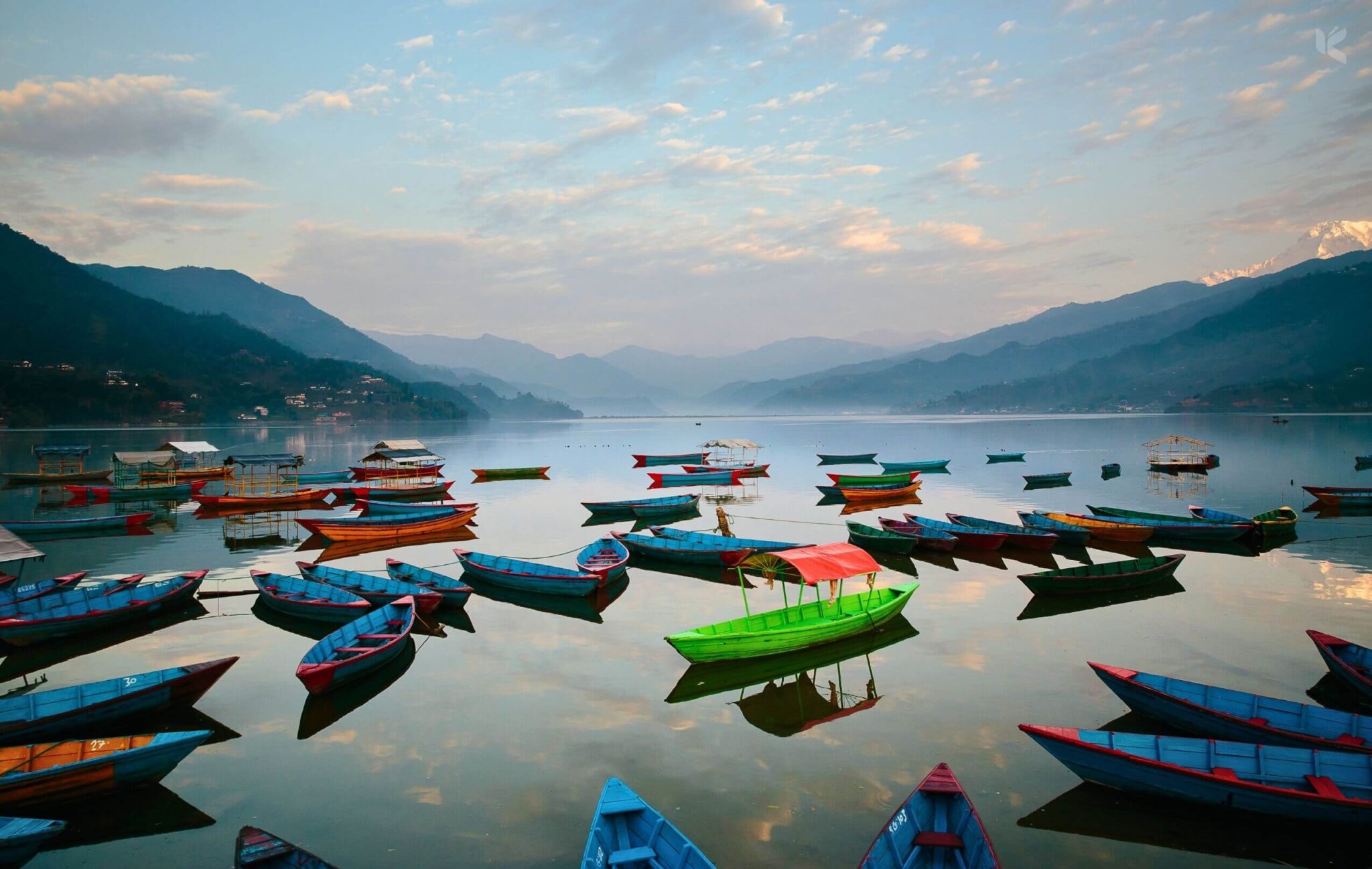
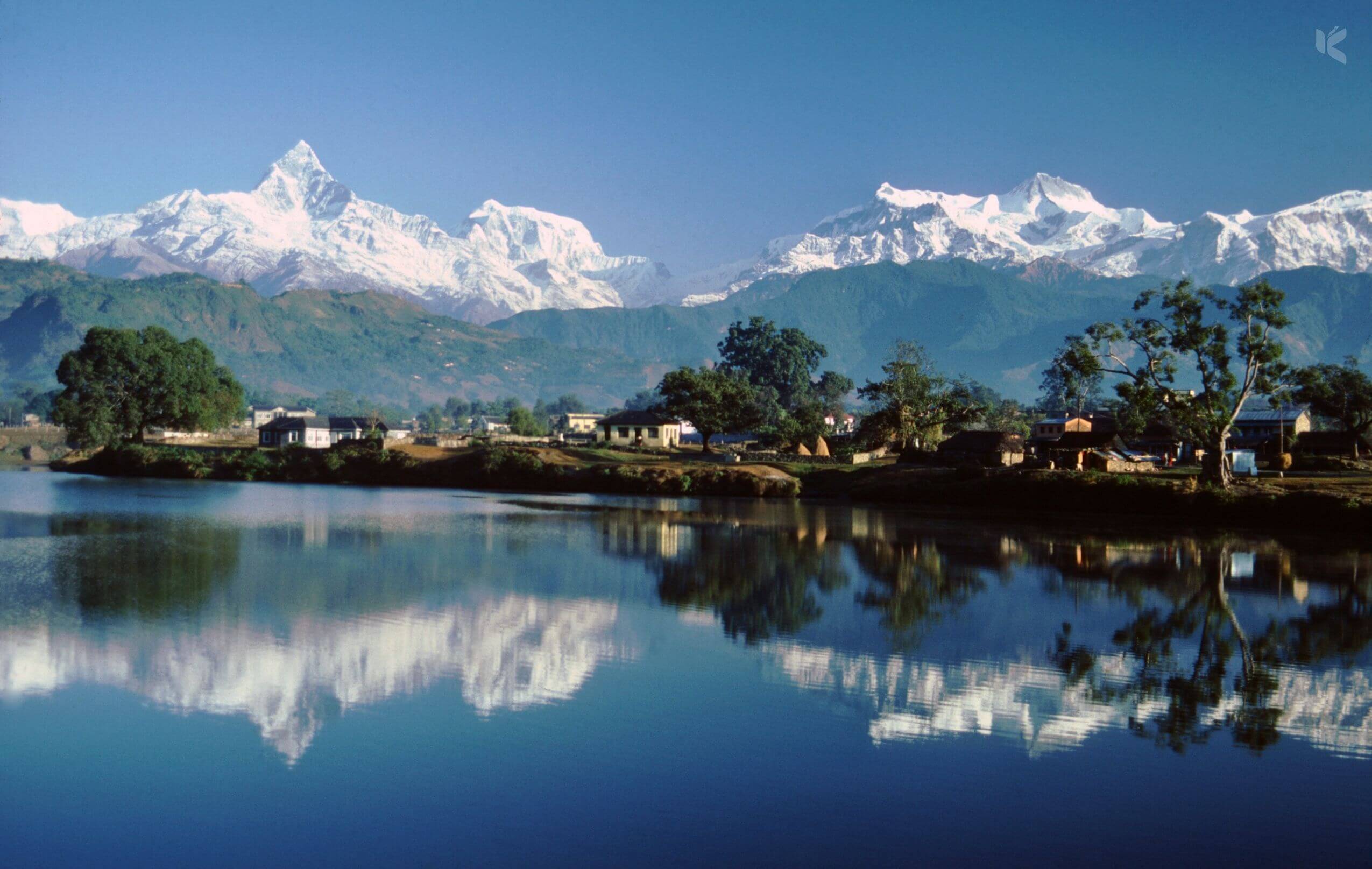
There’s a moment in Pokhara when everything slows down. You’re sitting at a lakeside café, coffee in hand, watching a wooden boat drift across Phewa Lake while a row of Himalayan peaks lines the horizon. The air smells like pine and mountain rain. Nobody is rushing anywhere.
That feeling is exactly why travelers return to this city again and again.
Pokhara is Nepal’s second-largest city and the undisputed hub of adventure tourism in the country. It sits in a wide valley at roughly 820 meters above sea level, close enough to the Annapurna mountain range that on clear mornings the snow-capped peaks look almost unreal – close enough to touch, impossibly far away. The city is quieter and more laid-back than Kathmandu, and it offers a mix of outdoor adventure, lakeside calm, spiritual sites, and good food that keeps travelers here longer than they planned.
This guide covers everything you need to know to plan a great trip: the best places to visit, when to go, how to get there, what to budget, and the small practical details that make a real difference on the ground.
Read more: Kuakata Travel Guide with Tips and Itinerary
Quick Facts About Pokhara
| Country | Nepal |
| Province | Gandaki Province |
| Altitude | Approximately 820 meters (2,690 ft) |
| Distance from Kathmandu | ~200 km by road |
| Travel Time (Bus) | 7–10 hours by tourist bus |
| Flight Duration | ~27 minutes from Kathmandu |
| Currency | Nepalese Rupee (NPR) |
| Language | Nepali (English widely spoken in tourist areas) |
| Religion | Hinduism and Buddhism |
| Best Time to Visit | October–November and March–April |
| International Airport | Pokhara Regional International Airport (PKR) |
| Tourist Hub | Lakeside (Baidam) district |
| Famous For | Phewa Lake, Annapurna views, paragliding, trekking base |
Why Visit Pokhara
Most travelers arrive in Nepal through Kathmandu and get pulled straight into its temples, noise, and traffic. Pokhara offers the opposite experience. It’s calmer, cleaner, and surrounded by nature in a way that cities rarely are.
The city is the main gateway for the Annapurna trekking circuit, so it naturally draws adventure seekers. But it also works for people who have no intention of trekking. You can spend a week here doing relatively little – a morning boat ride on Phewa Lake, an afternoon wandering Lakeside, an evening watching the mountains change color at sunset and still feel like the trip was worth it.
What sets Pokhara apart from other travel destinations in South Asia is the density of good experiences within a compact area. The lake, the mountains, the spiritual sites, the adventure activities – almost everything is accessible in a few days without complicated logistics.
It’s also, by most standards, excellent value. Accommodation, food, and activities are all reasonably priced, and the local hospitality is genuine.
Where Is Pokhara
Pokhara sits in the Pokhara Valley in central Nepal, roughly 200 kilometers west of Kathmandu along the Prithvi Highway. The city lies in the shadow of the Annapurna mountain range, with the sacred Machhapuchhre (Fishtail Mountain) visible to the north on clear days.
The Phewa, Begnas, and Rupa lakes are all within the valley, which is why Pokhara is also called the “City of Lakes.” The Seti Gandaki river runs through the city itself.
Geographically, it’s an accessible city. Getting here from Kathmandu is straightforward, and local transport within the city is cheap and easy.
Read more: Cox’s Bazar Travel Guide & Trip Planner
Best Time to Visit Pokhara
The best time to visit Pokhara is October to November (autumn) and March to April (spring). These two windows offer clear skies, comfortable temperatures, and the best conditions for outdoor activities, mountain views, and trekking.
Here’s a seasonal breakdown to help you plan:
| Season | Months | Weather | Best For |
|---|---|---|---|
| Autumn (Peak) | Oct–Nov | Clear skies, 10–25°C | Trekking, paragliding, sightseeing |
| Winter | Dec–Feb | Cold mornings, clear days, 5–20°C | Budget travel, quiet atmosphere |
| Spring (Peak) | Mar–May | Mild, some haze, 15–30°C | Trekking, paragliding, rhododendron blooms |
| Monsoon | Jun–Sep | Heavy rain, lush green, 20–30°C | Off-season, budget deals, scenic landscapes |
Autumn (October and November in particular) is the most popular time to visit. The monsoon has just ended, leaving the air exceptionally clear. Mountain views are at their sharpest. The weather stays pleasant throughout the day, and conditions for paragliding and trekking are close to ideal. The trade-off is that accommodation prices go up and popular spots get busy book ahead.
Spring (March and April) is the second-best option. Temperatures are mild, the hills around Pokhara turn vivid with blooming rhododendrons, and trekking conditions remain good. By May, temperatures rise and a slight haze can obscure mountain views.
Winter (December to February) is a surprisingly good time to visit if you’re on a budget and don’t mind cool mornings. The city is quieter, prices drop, and mountain views are still clear on many days. Mornings can be cold – pack layers, but afternoons are often pleasant.
Monsoon (June to September) brings daily rain and the occasional landslide that can disrupt road travel. Paragliding and long treks are generally not possible. That said, the valley turns intensely green, prices drop significantly, and you’ll have many tourist sites almost to yourself. If you’re flexible and okay with weather interruptions, it can be a rewarding time to visit.
How to Get to Pokhara
From Kathmandu by Tourist Bus (Most Popular)
The tourist bus from Kathmandu to Pokhara is the most common way for travelers to make this journey. Buses depart daily from Sorhakhutte Tourist Bus Park (near Thamel in Kathmandu) at around 7:00 AM, with some operators also running evening departures from Balaju Chowk at around 7:00 PM.
The journey covers approximately 200 kilometers along the Prithvi Highway and takes 7 to 10 hours depending on traffic and road conditions. The route passes through scenic river valleys and hill towns – there are scheduled stops for meals and restroom breaks.
Ticket prices typically range from NPR 1,200 to NPR 1,700 for standard tourist buses, with premium “sofa” or VIP buses costing more. Greenline and similar luxury operators include meals and are priced higher but offer a more comfortable experience. Book your ticket a day in advance during peak season.
Buses drop passengers at the Pokhara Tourist Bus Park, a short taxi ride from the Lakeside area.
From Kathmandu by Flight (Fastest Option)
Domestic flights between Kathmandu and Pokhara take around 27 minutes. Several Nepali carriers operate this route, including Buddha Air and Yeti Airlines. Flight prices vary significantly by season but generally start from around USD 100–130 per person one way. International visitors are sometimes charged a higher fare than Nepali nationals.
The views on this flight – flying low over the Himalayan foothills with mountain peaks visible on clear days – are worth the price for many travelers. Book morning flights when mountain visibility is typically best and weather disruptions are less likely.
Pokhara Regional International Airport (opened 2023) now serves this route and has the capacity to handle international flights as well, which may create more options for direct arrivals from regional hubs in the future.
From Kathmandu by Private Vehicle
Hiring a private car or jeep is more expensive – roughly USD 150–300 depending on vehicle type and group size – but gives you flexibility to stop along the way. The hill town of Bandipur makes an excellent midway stop if you want to break the journey into two days.
| Route | Mode | Duration | Approx. Cost (Per Person) |
|---|---|---|---|
| Kathmandu → Pokhara | Tourist bus | 7–10 hours | NPR 1,200–1,700 |
| Kathmandu → Pokhara | Domestic flight | ~27 minutes | USD 100–130 |
| Kathmandu → Pokhara | Private car/jeep | 6–8 hours | USD 150–300 (total) |
| Kathmandu → Pokhara | Local bus | 8–10 hours | NPR 600–800 |
Note: Prices fluctuate based on season, fuel costs, and operator. Always verify current fares before booking.
From Other Cities
Pokhara is also reachable by bus from Chitwan (roughly 3–4 hours), Lumbini, Bhairahawa, and other Terai cities. Cross-border travelers from India often enter through Bhairahawa and continue to Pokhara by bus.
Getting Around Inside Pokhara
Most of the tourist attractions cluster around the Lakeside (Baidam) district and the surrounding area, which makes Pokhara very manageable on foot or by bicycle.
Taxis are the most convenient option for reaching places like Sarangkot, the World Peace Pagoda, and Devi’s Falls. Negotiate the fare before you get in, or ask your hotel to help you arrange a trusted driver.
Electric rickshaws (e-rickshaws) operate along the main Lakeside road and offer cheap short hops within the tourist area.
Bicycle rentals are available throughout Lakeside for NPR 300–500 per day. This is a genuinely pleasant way to explore the lake promenade, visit the cave areas, and get around without the hassle of traffic.
Motorbike/scooter rentals are available for travelers with riding experience, though road conditions outside the main tourist areas can be unpredictable.
| Mode | Best For | Approx. Cost |
|---|---|---|
| On foot | Lakeside, immediate area | Free |
| Bicycle rental | Lakeside to nearby sights | NPR 300–500/day |
| Taxi | Sarangkot, Peace Pagoda, further sites | NPR 500–1,500 per trip |
| E-rickshaw | Short hops within Lakeside | NPR 30–100 |
| Scooter rental | Independent exploration | NPR 700–1,200/day |
Entry Fees and Permits
There is no general city entrance fee for Pokhara. However, a few specific sites charge admission:
- World Peace Pagoda: A small entry fee may apply depending on the route; verify locally.
- International Mountain Museum: Entry fee required (verify current prices at the museum).
- Gupteshwor Cave: Nominal entry fee.
- Devi’s Falls: Small entry fee.
- Annapurna Conservation Area Permit (ACAP): Required for trekking in the Annapurna region. Currently USD 30 per person. Available at the TAAN (Trekking Agencies’ Association of Nepal) office in Pokhara.
- TIMS Card (Trekkers’ Information Management System): Required alongside the ACAP permit for trekking.
Check the latest permit requirements and fees with the Nepal Tourism Board or your trekking agency before heading out, as regulations can change.
Top Things to Do in Pokhara
1. Boat Ride on Phewa Lake
Phewa Lake is the city’s centerpiece. It’s Nepal’s second-largest lake and the undeniable heart of Pokhara – everything seems to orbit around its edges.
Renting a traditional wooden boat (called a doonga) is one of the most enjoyable things you can do here. You can row yourself or hire a boatman. The lake is calm in the early morning when the mountain reflections are clearest. The ride out to the island temple of Tal Barahi, right in the middle of the lake, takes about 15–20 minutes and is worth doing at least once.
Prices for boat rental typically range from NPR 200–500 per hour depending on boat type and whether a boatman is included. Paddleboats and canoes are also available.
2. Sunrise at Sarangkot
Sarangkot sits at 1,592 meters, about 5 kilometers from Lakeside. It’s the most popular viewpoint for watching the Annapurna range – Annapurna I, II, III, South, Dhaulagiri, and the distinctive Machhapuchhre (Fishtail) – catch the first light of dawn.
The views on a clear morning are extraordinary. The peaks turn from grey to orange to gold as the sun rises behind the valley.
Getting there before sunrise means either staying overnight in Sarangkot (there are guesthouses) or taking a taxi or walking up in the dark. Most hotels can arrange early morning transport. Expect to be up by 4:30–5:00 AM.
Sarangkot is also the main launch site for paragliding.
3. Paragliding Over the Annapurnas
Pokhara is consistently rated one of the best places in the world for paragliding, largely because of the geography: you launch from Sarangkot hill, catch thermal winds rising off the Himalayas, and land near Phewa Lake – with the Annapurna range in front of you the entire time.
A standard tandem paragliding flight (you fly with an experienced pilot) lasts about 25–30 minutes. Prices in 2025 were in the range of NPR 4,000–11,000 (roughly USD 30–85) depending on the operator and package. Prices tend to be higher during peak season (October–November and March–May) and lower during monsoon.
What’s typically included: hotel pickup and drop-off, equipment, a licensed pilot, and photos and video of the flight.
Always book with a licensed, established operator. Pokhara’s paragliding industry has international-standard safety protocols, but it’s still worth checking certifications before you fly.
The best time for paragliding is October to April when skies are clear and thermal conditions are stable.
4. Visit Tal Barahi Temple
This small Hindu temple sits on a tiny island in the middle of Phewa Lake, dedicated to the goddess Tal Barahi (Bhagwati). Reaching it by rowboat is part of the experience. The temple is particularly busy on Saturdays when local worshippers come for prayers and animal sacrifices, which some visitors find intensely interesting and others prefer to avoid.
At any other time, the island is calm and the views of the lake and mountains from the temple are beautiful.
5. World Peace Pagoda (Shanti Stupa)
Pokhara’s World Peace Pagoda is a gleaming white Buddhist stupa perched on a forested hill above the southern shore of Phewa Lake. It’s part of a network of Peace Pagodas built around the world by the Japanese Buddhist monk Nichidatsu Fujii as a symbol of peace and nuclear disarmament.
The pagoda rewards the effort of getting there with panoramic views – the lake below, the city spreading out across the valley, and the Annapurna range in the background. The hike up from the lakeside takes about 45–60 minutes through forest, or you can take a boat across the lake and hike up from the other shore, which is a popular combination.
Sunrise and early morning are the best times for views and photographs.
6. Devi’s Falls (Patale Chhango)
This unusual waterfall is located about 2 kilometers south of Lakeside. The Phewa Lake outlet stream disappears abruptly into an underground sinkhole and cascades through a series of underground channels before emerging further down as a visible fall. Local legend says an unnamed woman drowned here – the name “Devi’s Falls” is a phonetic corruption of the surname.
It’s a quick visit – 30–45 minutes is enough – but the geological feature is genuinely interesting, especially during and just after monsoon when water levels are high. There is a small entry fee.
7. Gupteshwor Cave (Gupteshwar Mahadev Cave)
Directly across the road from Devi’s Falls, Gupteshwor Mahadev Cave is a sacred Hindu cave system dedicated to Lord Shiva. Nepali Shiva temples located inside natural caves carry a particular spiritual atmosphere, and this one is an impressive example. The cave system is about 3 kilometers long, though visitors access the main chambers. You can see a section of Devi’s Falls from inside the cave through a small opening.
The combination of visiting Devi’s Falls and Gupteshwor Cave together makes for a logical and efficient half-morning trip.
8. International Mountain Museum
This is one of the better-curated museums in Nepal. It covers the history of mountaineering in the Himalayas, the fourteen eight-thousanders (peaks above 8,000 meters), the culture and traditions of Himalayan peoples including Sherpas and Gurung communities, and the equipment used in major expeditions. There are exhibits on famous expeditions to Everest, K2, Annapurna, and others.
It’s well worth two to three hours if you have any interest in mountaineering history or Himalayan culture. The museum is located about 3 kilometers from Lakeside.
9. Bindyabasini Temple
One of Pokhara’s most important Hindu temples, Bindyabasini Temple sits on a hill in the old bazaar area of town. Dedicated to the goddess Durga (known here as Bindyabasini), the temple is a genuine place of local worship, not a tourist attraction designed for visitors. Saturday mornings are particularly busy with devotees offering prayers.
The temple area gives you a sense of old Pokhara before the tourist industry reshaped the lakeside. The old bazaar around the temple is also interesting to walk through.
10. Trek to Annapurna Base Camp or the Annapurna Circuit
For many visitors, Pokhara is primarily a base for trekking into the Annapurna region. The two most famous routes are:
Annapurna Base Camp (ABC) Trek: Typically 7–12 days, reaching 4,130 meters. You trek through rhododendron forests, across high-altitude moraines, and arrive at a glacial amphitheater completely surrounded by some of the world’s highest peaks. This is a moderately challenging trek that requires the ACAP permit and TIMS card.
Annapurna Circuit: A longer route (typically 12–21 days) that circumnavigates the entire Annapurna massif, crossing the Thorong La pass at 5,416 meters. Widely regarded as one of the great long-distance treks in the world.
Poon Hill: A shorter 4–5 day option accessible for most fit travelers. You hike up to the Poon Hill viewpoint at 3,210 meters for sunrise over the Dhaulagiri and Annapurna ranges – one of the most iconic mountain panoramas in Nepal.
Hiring a licensed guide (roughly USD 25–35 per day) is strongly recommended for safety and for a richer understanding of the landscape and local communities.
11. Mahendra Cave and Bat Cave
The Mahendra Cave is a limestone cave system about 4 kilometers north of Lakeside, notable for its stalactite and stalagmite formations and a natural Shiva lingam inside. It’s a popular local attraction, particularly with Nepali visitors.
Adjacent to it is the Bat Cave (Chamere Gufa), a narrower passage through which you crawl and squeeze your way – quite literally, in some sections – while thousands of bats roost overhead. It’s not for the claustrophobic, but it’s a memorable and unusual experience.
12. Annapurna Cable Car
The cable car at Sarangkot provides an alternative to hiking up to the viewpoint. It runs from a station near Lakeside up to Sarangkot, dramatically cutting the time needed to reach the sunrise viewpoint. Views from the cable car itself are excellent. Verify current operating hours and ticket prices locally, as these can change seasonally.
13. River Rafting on the Seti Gandaki
For those wanting white-water experience without a multi-day commitment, the Seti Gandaki River offers day rafting options close to Pokhara. For more serious whitewater, the Modi Khola and Kali Gandaki rivers nearby offer Class III–IV rapids. Most adventure sports agencies in Lakeside can arrange half-day and full-day rafting packages.
14. Gurkha Memorial Museum
This museum documents the remarkable history of the Gurkha soldiers – Nepali troops who have served in the British and Indian armies for over 200 years. The exhibits cover military campaigns, uniforms, weapons, and personal stories. It’s an often-overlooked stop but genuinely moving if you have any interest in military history.
Read more: Top 25 Travel Tips Every Traveler Should Know
Suggested 3-Day Pokhara Itinerary
Day 1: Arrive and Explore Lakeside
Arrive in Pokhara and settle into your accommodation. Spend the afternoon walking the Lakeside promenade. In the late afternoon, rent a wooden boat and row out to Tal Barahi Temple on Phewa Lake. Stay on the water for sunset – the mountains and their reflections are at their best then. Have dinner at one of the lakeside restaurants.
Day 2: Sarangkot Sunrise, World Peace Pagoda, Caves
Wake up very early (4:30–5:00 AM) and head to Sarangkot for sunrise. Take a paragliding flight if you’ve booked one. Return to Lakeside for breakfast. After resting, take a boat across Phewa Lake and hike up to the World Peace Pagoda for the afternoon views. On your way back, stop at Devi’s Falls and Gupteshwor Cave, which are close to each other and easy to combine.
Day 3: Mountain Museum, Old Bazaar, Free Time
Visit the International Mountain Museum in the morning – give yourself two to three hours. Then head to the old bazaar area and Bindyabasini Temple for a different side of Pokhara life. Afternoon is free for shopping, a lakeside café, or a bicycle ride around the lake perimeter. Evening dinner and goodbyes.
This itinerary works at a comfortable pace. If you have more time, add Mahendra and Bat Cave (half day), a day trip to Begnas Lake (quieter than Phewa), or an extra day in Sarangkot.
Where to Stay in Pokhara
The Lakeside (Baidam) district is where most travelers base themselves. It’s walkable, has the widest choice of restaurants and accommodation, and is right next to the lake. Damside (Pardi) is a quieter alternative nearby.
Budget (Under USD 15/night)
Pokhara has an excellent selection of budget guesthouses and hostels, particularly in Lakeside. Hostel dorm beds start from around USD 5 per night. Budget guesthouses with private rooms with attached bathrooms typically cost USD 8–15 per night.
Look for places with good reviews on Booking.com or Hostelworld. Options along the quieter lanes behind the main Lakeside road often offer better value than the frontline properties.
Mid-Range (USD 30–80/night)
This is where Pokhara really shines. For USD 30–80, you can get a well-maintained hotel with mountain or lake views, air conditioning, reliable hot water, and good Wi-Fi. Many mid-range hotels in Lakeside have rooftop terraces or garden areas with Annapurna views.
Luxury (USD 80 and above)
Several resort-style hotels and boutique properties operate in and around Pokhara. Tiger Mountain Pokhara Lodge (a short drive from Lakeside) is often cited as one of Nepal’s finest lodges with stunning mountain views. Lakeside also has several well-appointed four-star hotels with pool and spa facilities.
For a 3-4 star hotel in Pokhara’s Lakeside area, expect to pay roughly USD 40–80 per night.
Sarangkot
Staying overnight in Sarangkot is an excellent option if catching sunrise at the viewpoint is a priority (you walk five minutes instead of hiring a predawn taxi). The guesthouses here are simple but cozy, and the evenings without Lakeside’s tourist strip energy have their own appeal.
Note: Hotel prices in Pokhara fluctuate significantly between peak season (October–November and March–May) and off-peak months. Always verify current rates before booking.
Where to Eat in Pokhara
The Lakeside strip is lined with restaurants catering to international travelers. The variety is genuinely good, you’ll find Nepali, Tibetan, Indian, Italian, Israeli, and international food all within a short walk of each other. Quality varies, so look for places with active local crowds alongside the tourist tables.
For authentic Nepali food: Look for local eateries slightly off the main Lakeside road. Dal bhat (lentil soup, rice, vegetable curry, and pickles) is the national staple and is served with unlimited refills at most places. It’s filling, healthy, and typically costs NPR 250–450 (about USD 2–3.50). This is by far the best value meal in Pokhara.
For breakfast: Lakeside has dozens of cafés serving good filter coffee, fresh pastries, eggs, and smoothies. Prices are higher than local eateries but still reasonable by international standards.
Momos: Steamed or fried Tibetan dumplings filled with vegetables or meat. They’re everywhere in Pokhara and are excellent. A plate typically costs NPR 100–250.
For views while eating: Several restaurants and cafés have rooftop terrace seating facing the lake and the mountains. These are especially nice at breakfast or in the late afternoon.
Local Foods to Try
- Dal Bhat: The quintessential Nepali meal. Rice, lentil soup, vegetable curry, pickle, and sometimes meat. Unlimited refills included.
- Momos: Steamed or fried dumplings. Try them with the local chili-tomato dipping sauce.
- Thukpa: Tibetan noodle soup – warming, filling, and perfect for cool Himalayan evenings.
- Sel Roti: A traditional Nepali fried rice bread. Served as a snack, especially during festivals.
- Yak butter tea (butter chai): Strong tea blended with salt and yak butter an acquired taste, but culturally significant and warming at altitude.
- Buff momos: Buffalo meat dumplings, popular and tasty.
- Churpi: A hard, dried yak cheese snack common in Himalayan communities.
- Newari cuisine: If you encounter a Newari restaurant, try beaten rice (chiura) with buffalo curry, which is a distinctly Kathmandu Valley specialty you won’t find everywhere.
Estimated Travel Budget
All prices are approximate and should be verified locally. Exchange rates fluctuate. Budget categories assume solo travel; couples often spend significantly less per person on accommodation.
Budget Traveler
| Expense | Estimated Daily Cost |
|---|---|
| Accommodation (hostel dorm or budget guesthouse) | USD 5–12 |
| Food (local eateries, dal bhat, momos) | USD 4–8 |
| Local transport (walking, bicycle) | USD 0–2 |
| Activities (basic sightseeing, lake walks) | USD 2–5 |
| Estimated Daily Total | USD 11–27 |
Mid-Range Traveler
| Expense | Estimated Daily Cost |
|---|---|
| Accommodation (3-star hotel, Lakeside) | USD 30–60 |
| Food (cafés, restaurants, mix of local and international) | USD 10–20 |
| Local transport (occasional taxis, bicycle) | USD 3–8 |
| Activities (paragliding, boat rental, museum entry) | USD 15–30 |
| Estimated Daily Total | USD 58–118 |
Luxury Traveler
| Expense | Estimated Daily Cost |
|---|---|
| Accommodation (boutique hotel or resort) | USD 100–200+ |
| Food (upscale restaurants, resort dining) | USD 25–50 |
| Local transport (private car hire) | USD 30–60 |
| Activities (premium packages, private guides) | USD 50–150 |
| Estimated Daily Total | USD 205–460+ |
Key activity costs for reference:
- Paragliding (tandem, 25–30 min): NPR 4,000–11,000 (approx. USD 30–85)
- Boat rental (per hour): NPR 200–500
- ACAP trekking permit: USD 30
- Licensed trekking guide: USD 25–35/day
- Porter: USD 20–25/day
Prices above are approximate based on 2024–2025 data and may have changed. Always confirm current prices with operators and hotels before committing.
Packing List for Pokhara
Clothing:
- Light layers for warm days (Lakeside temperatures are comfortable year-round except in deepest winter)
- A warm fleece or jacket for early morning Sarangkot visits or evening chills
- Good walking shoes – essential for uneven paths at viewpoints and cave sites
- Rain jacket or compact umbrella if visiting during or near monsoon season
Essentials:
- Sunscreen and lip balm (UV intensity is higher at altitude)
- Water purification tablets or a filter bottle
- Cash in NPR (ATMs are available in Lakeside but can run out during peak season)
- A small daypack for sightseeing
- Headlamp or flashlight for early morning Sarangkot trips and cave visits
For trekking (if applicable):
- Broken-in hiking boots
- Trekking poles
- Thermal base layers and down jacket for higher altitude
- Sleeping bag liner (teahouses provide blankets but liners add warmth and hygiene)
Documents:
- Passport (Nepal entry visa required for most nationalities)
- ACAP permit and TIMS card if trekking
- Travel insurance documentation
Safety Tips
Pokhara is generally a safe city for travelers. Petty theft is rare but possible in crowded tourist areas, so standard precautions apply: keep valuables secure, use a money belt in busy spots, and don’t leave bags unattended.
- Road safety: Traffic in Nepal can be unpredictable. Be cautious when crossing roads, and exercise care if renting a scooter – road surfaces outside the main tourist strip are often rough.
- Adventure activities: Only use licensed, established operators for paragliding, rafting, and trekking. Ask to see certifications. Reputable companies are easy to find in Lakeside.
- Altitude: Pokhara itself is not high enough to cause altitude sickness, but trekking routes rise significantly. Ascend gradually, stay hydrated, and know the symptoms of altitude sickness (headache, nausea, dizziness). Descend immediately if symptoms appear.
- Water: Don’t drink tap water. Bottled water is cheap and widely available. A filtered water bottle reduces plastic waste considerably.
- Weather disruptions: Monsoon landslides can close roads between Kathmandu and Pokhara. Build flexibility into your itinerary, especially if traveling June–September.
- Medical: Basic medical facilities are available in Pokhara. For serious medical emergencies, evacuation to Kathmandu may be necessary. Travel insurance with medical evacuation coverage is strongly recommended for trekkers.
Practical Travel Tips
- Book accommodation in advance for October and November visits. Pokhara gets very busy during peak autumn season.
- Bargain reasonably. Negotiating prices for taxis and souvenirs is normal and expected. Don’t bargain aggressively for food at small local eateries.
- Most places in Lakeside accept credit cards, but smaller guesthouses, local restaurants, and transport will need cash. Carry NPR for day-to-day expenses.
- ATMs are available throughout Lakeside. International cards work, but fees apply. Withdraw larger amounts to minimize transaction costs.
- Time zones: Nepal operates on a non-standard time zone: UTC+5:45. The odd 45-minute offset catches some travelers off guard.
- Tipping: Not mandatory but appreciated. Around 10% at restaurants is reasonable. For guides and porters, standard tipping guidelines exist – ask your trekking agency.
- Power: Nepal uses Type C/D/M plug sockets. Voltage is 230V. Power cuts can happen – a portable battery bank is useful.
- SIM cards: Local SIM cards (Ncell and Nepal Telecom are the main carriers) are inexpensive and available easily. Mobile data works well in Lakeside and most populated areas.
- Sunrise timing: At Sarangkot, sunrise is typically around 6:00–6:30 AM depending on the season. Arrive 30 minutes early for the best experience.
Local Culture and Etiquette
Greetings
The standard Nepali greeting is “Namaste” – hands pressed together, slight bow. It’s used for hello, goodbye, and thank you all at once. Using it will be genuinely appreciated. “Dhanyabad” means thank you.
Dress Expectations
Pokhara’s Lakeside area is relaxed, and you’ll see travelers in shorts and t-shirts. However, when visiting temples, caves, or religious sites, dress modestly cover your shoulders and knees. Remove shoes before entering temples (you’ll usually see a shoe rack at the entrance).
Religious Customs
Nepal is a Hindu-majority country with a strong Buddhist presence, and both traditions are deeply woven into daily life. When visiting temples:
- Walk clockwise around stupas and shrines.
- Don’t point your feet at religious images or sacred spaces.
- Ask before photographing rituals or worshippers – at some temples, photography is restricted.
- Some temple interiors are restricted to Hindus. Respect these boundaries without complaint.
Photography Etiquette
Most people don’t mind being photographed, but always ask first, especially in villages and during religious practices. A smile and a mime of holding a camera is usually understood. Never photograph military personnel, airports, or border posts.
Tipping
Tipping is appreciated but not obligatory at restaurants. Round up the bill or add 10% at sit-down restaurants. For trekking guides and porters, tip generously they work hard in demanding conditions for relatively modest pay.
Behavior at Attractions
Be mindful of noise levels at religious sites. Follow any posted rules. Don’t remove flowers, stones, or offerings from temple areas.
Responsible Travel
Pokhara’s growth as a tourist destination has brought economic benefits to the region but also environmental pressures – especially around Phewa Lake, which has faced issues with water quality and encroachment over the years.
A few things you can do to travel more responsibly here:
- Use a reusable water bottle and a filter/purifier rather than buying single-use plastic. The volume of plastic waste from tourist areas is a real problem.
- Hire licensed local guides. The money stays in the local economy, and you get a better experience.
- Stay at locally owned guesthouses and eat at local restaurants when you can, rather than exclusively at chain hotels.
- Don’t buy wildlife products – items made from feathers, skins, horns, or shells. Nepal has strict wildlife protection laws.
- Don’t feed wildlife in the Annapurna Conservation Area or anywhere else in the region.
- Carry out your trash on trekking routes. The increase in trekking popularity has put pressure on trail waste management in some areas.
- If trekking, hire a registered guide and porter through a verified agency. Avoid unregulated guides who undercut prices but often operate without safety standards or fair labor practices.
Read more: 10 Benefits of Traveling Alone
Frequently Asked Questions
Do I need a visa to visit Nepal?
Most nationalities require a visa to enter Nepal. Tourist visas are available on arrival at Tribhuvan International Airport in Kathmandu and at certain land border crossings. Fees vary by duration (15, 30, or 90 days). Check your country’s specific requirements before traveling and verify current fees with the Nepal Department of Immigration website.
Is Pokhara safe for solo female travelers?
Yes, Pokhara is generally considered one of the safer cities in South Asia for solo female travelers. The Lakeside area is well-lit and busy until late evening, and most guesthouses have good security. Standard precautions apply – don’t walk alone in poorly lit areas at night, trust your instincts, and keep your accommodation address saved on your phone.
How many days should I spend in Pokhara?
Three to five days is enough to see Pokhara’s main attractions comfortably. If you’re planning to trek, add more time depending on your route. Some travelers end up staying a week or longer once they settle into the city’s unhurried rhythm.
Can I visit Pokhara without trekking?
Absolutely. Pokhara works very well as a destination without any trekking. The lake, viewpoints, cultural sites, adventure sports, and food scene are all independent of long-distance hiking. Many travelers come specifically for paragliding, the scenery, and relaxation.
What is the best way to see the Annapurna mountain range from Pokhara?
Sarangkot is the classic option for a close-up view of the Annapurna range and Machhapuchhre. The best views happen at sunrise on clear days. You can also see the mountains from the World Peace Pagoda and from the lake itself. October and November offer the clearest visibility.
Is paragliding in Pokhara safe?
Pokhara has a well-established paragliding industry with internationally certified operators. When you book with a reputable, licensed company, the activity is well-managed with modern equipment and experienced pilots. Always check the operator’s licensing and safety record before booking.
What is the food like in Pokhara?
Dal bhat is the national staple and the best-value meal you’ll find. Beyond that, Lakeside has a wide international food scene, Italian, Mexican, Israeli, Indian, Chinese, and more alongside Tibetan momos and thukpa. Food quality is generally good, and prices are reasonable.
When should I avoid visiting Pokhara?
Peak monsoon (June to August) brings the highest rainfall and potential for road disruptions and landslides. Long treks and paragliding are generally not possible. That said, if you’re flexible and the discounted prices appeal, it’s not a terrible time to visit Pokhara itself – just manage expectations about mountain views and outdoor activities.
Can I extend my Nepal visa while in Pokhara?
Yes. Nepal visa extensions are available in Pokhara at the Department of Immigration office. You can extend your visa for up to 150 days total in a single year. Verify current extension fees and procedures directly with the immigration office or your accommodation, as policies and fees change periodically.
Final Thoughts
Pokhara rewards patience. The travelers who get the most out of it are usually not the ones trying to check every attraction off a list in 48 hours, but the ones who slow down – who stay an extra day at Sarangkot because the clouds cleared, who sit by the lake for longer than planned, who ask their guesthouse owner about the mountains they grew up looking at.
That said, the city genuinely has it all in a compact footprint: adventure, culture, natural beauty, good food, and enough peace and quiet to actually rest. For most travelers visiting Nepal, Pokhara should be on the itinerary.
If this guide helped you plan your trip, explore more of Kuhudak’s travel coverage for Nepal, South Asia, and destinations across the world. There’s plenty more to read before your next journey.