Bangladesh doesn’t get nearly the attention it deserves from international travelers. Most people know it exists on the map somewhere between India and Myanmar, but beyond that, there’s a lot of blank space in the average traveler’s mental picture of the country. That’s actually a good thing.
What you’ll find here is a country with the world’s longest unbroken sea beach, a vast mangrove forest that still shelters Bengal tigers, rolling tea gardens in the northeast, ancient Buddhist ruins, and some of the most genuinely hospitable people you’ll encounter anywhere in South Asia. Crowds of foreign tourists are not something you’ll battle here – at least not yet.
This guide gives you everything you need to plan a real trip: where to go, when to go, how to get around, what to budget, and what to expect on the ground.
Read more: Dhaka Travel Guide: Explore the Soul of Bangladesh
Bangladesh at a Glance
| Capital | Dhaka |
| Official Language | Bengali (Bangla) |
| Currency | Bangladeshi Taka (BDT) |
| Time Zone | BST (UTC+6) |
| Country Code | +880 |
| Electricity | 220V / 50Hz (Type C, D, and G plugs) |
| International Airports | Dhaka (DAC), Chittagong (CGP), Sylhet (ZYL) |
| Emergency Number | 999 |
| Driving Side | Left |
| Internet Connectivity | Good in cities; limited in rural areas |
Why Visit Bangladesh
The honest answer: Bangladesh is one of the most underrated destinations in all of Asia.
For budget travelers, it’s hard to beat. Your money stretches further here than almost anywhere in the region. A full meal at a local restaurant costs under a dollar. Comfortable guesthouses in major cities rarely push past $20 a night. Intercity train rides through lush countryside run a few dollars at most.
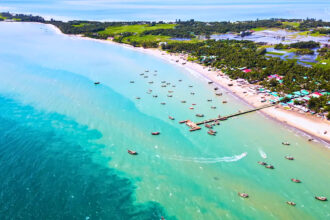
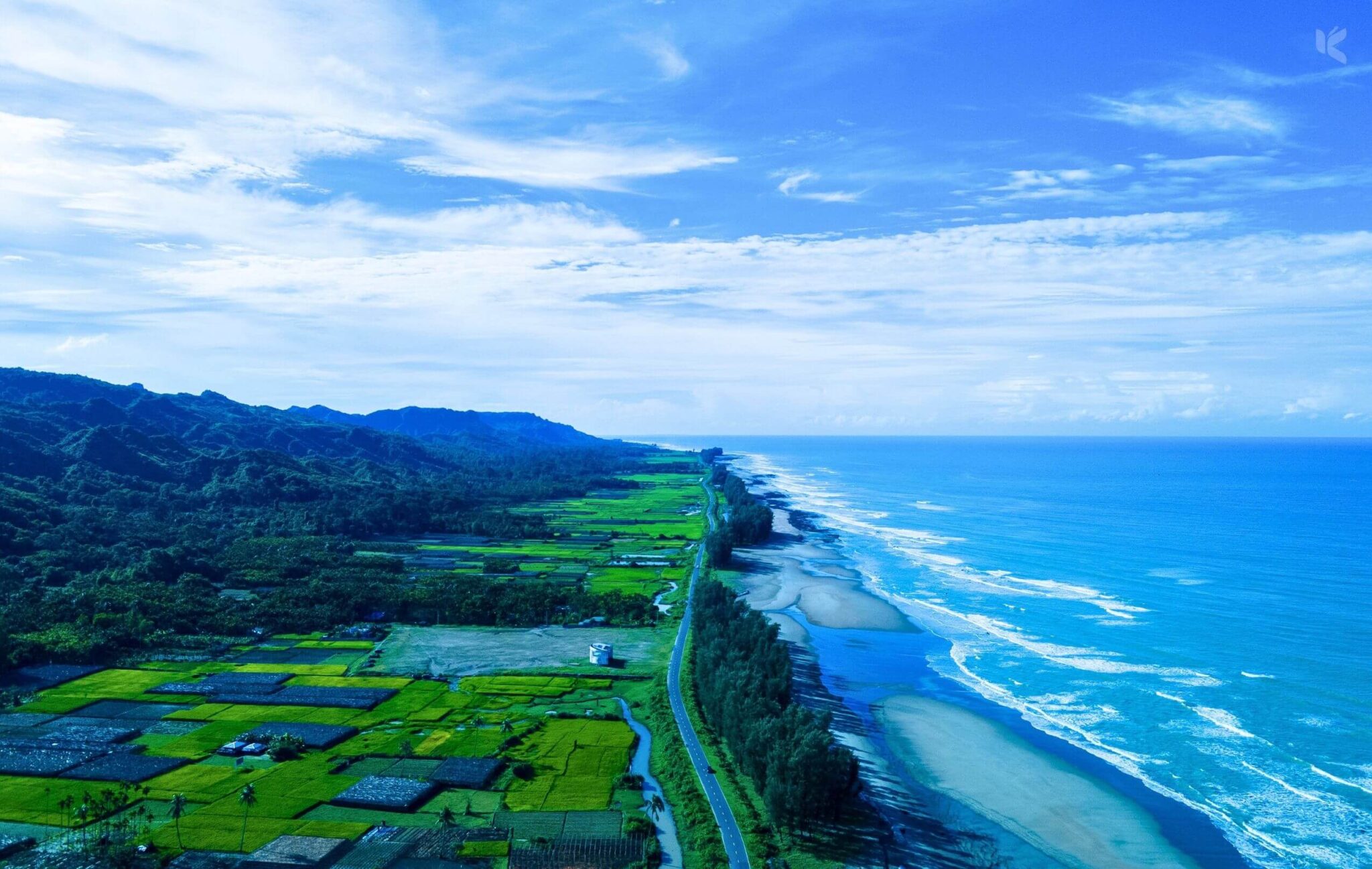
But value isn’t the only reason to come. The country packs an extraordinary range of landscapes into a relatively small area. The Sundarbans in the southwest is the world’s largest tidal mangrove forest, shared with India, and one of the few places on earth where you might actually spot a wild Royal Bengal Tiger. Cox’s Bazar in the southeast stretches for roughly 120 kilometers of uninterrupted sandy beach – longer than anything you’ll find in Thailand or Bali, and far less crowded. The tea estates around Sreemangal produce some of the world’s finest teas, and the hill tracts of Bandarban offer trekking routes through tribal villages and forested ridgelines that most outsiders have never seen.
Then there’s the culture. Bangladesh has a distinct and layered identity a confluence of Mughal history, Bengali literary tradition, Hindu temple architecture, and a living folk culture that’s still very much present in rural life. The food alone is worth the trip.
Where Is Bangladesh
Bangladesh sits in South Asia, bordered by India on three sides (west, north, and east) and Myanmar to the southeast, with the Bay of Bengal forming its southern coastline. It’s a low-lying delta nation formed by the confluence of three major rivers – the Padma (Ganges), Jamuna (Brahmaputra), and Meghna – which gives it some of the most fertile land on earth and also makes it one of the most flood-prone countries in the world.
The country covers about 147,000 square kilometers, making it slightly larger than Greece but home to around 170 million people – one of the highest population densities of any nation on the planet.
Key Cities:
- Dhaka — the capital and largest city, also the commercial and cultural center
- Chattogram — the main port city and second largest
- Sylhet — gateway to the tea gardens and the northeast
- Khulna — the entry point for Sundarbans expeditions
- Rajshahi — known for silk and mango country in the northwest
- Barisal — river delta city in the south, connected by scenic ferry routes
Best Time to Visit Bangladesh
The short answer: Plan your trip between November and February.
That four-month window gives you cool, dry weather, blue skies, and comfortable temperatures for outdoor sightseeing. Daytime highs settle around 24–28°C (75–82°F), and nights can get surprisingly cool in December and January, occasionally dropping to 10°C (50°F) in the north.
This is also the peak tourist season, so hotel prices at popular destinations like Cox’s Bazar and Saint Martin’s Island will be higher than usual. Book accommodation early if you’re traveling in December or during major holidays.
Here’s how the three seasons break down:
| Season | Months | Weather | Travel Conditions |
|---|---|---|---|
| Winter (Best) | November – February | Cool, dry, sunny | Ideal for all destinations |
| Summer (Hot) | March – May | Very hot, humid, occasional storms | Manageable, fewer crowds |
| Monsoon | June – October | Heavy rain, flooding possible | Challenging, but scenic in places |
March and early April are worth considering if you want fewer crowds and don’t mind slightly warmer temperatures, the rains haven’t arrived yet, and the landscape is still green from winter.
The monsoon season (June–October) isn’t impossible to travel in, and some visitors specifically come during this period to see Bangladesh in a way most outsiders never do – waterlogged villages, rivers swollen to their natural widths, and boat travel that becomes genuinely necessary in parts of the delta. But it requires flexibility, waterproof gear, and acceptance that some roads and trails will be inaccessible.
Read more: Best Places to Visit in Bangladesh
How to Get to Bangladesh
By Air
The main international gateway is Hazrat Shahjalal International Airport (DAC) in Dhaka, which handles the majority of international arrivals. Shah Amanat International Airport (CGP) in Chittagong and Osmani International Airport (ZYL) in Sylhet also receive some international flights, primarily from the Middle East and Southeast Asia.
Direct or one-stop connections are available from most major hubs including Dubai, Doha, Singapore, Kuala Lumpur, Bangkok, Kolkata, and London. Airlines serving Dhaka include Biman Bangladesh Airlines, Emirates, Qatar Airways, Singapore Airlines, Malaysia Airlines, and several others.
By Land
Bangladesh shares land borders with India, and crossing points are open to foreign travelers at a few locations. The Benapole–Petrapole crossing (between Khulna division and Kolkata) and the Akhaura–Agartala crossing (between Comilla and Tripura) are the most commonly used. Border crossings can be time-consuming – budget several hours and confirm current procedures with the relevant consulate before attempting any overland entry.
Visa Requirements
Most visitors need a visa to enter Bangladesh. There are three primary routes:
- No visa required for around 21 nationalities (mostly Commonwealth Caribbean, southern African nations, Bhutan, the Maldives, and Hong Kong holders) – these travelers simply need a valid passport and return ticket.
- Visa on arrival is available for citizens of approximately 72 countries at Dhaka, Chittagong, and Sylhet airports. The fee is $51 USD (cash only – USD, GBP, and EUR accepted), and it grants a maximum 30-day single-entry stay. Note that visa on arrival is not available at land border crossings.
- Visa before arrival is the option for everyone else – apply online at visa.gov.bd, then submit the printed form and your passport to the nearest Bangladesh diplomatic mission.
- Regardless of visa type, your passport must be valid for at least six months from your entry date. Most tourist visas are granted for up to 90 days and may be extendable within the country. Always verify current requirements with the Bangladesh embassy or consulate in your country before traveling, as policies can change.
- Vaccinations are worth checking ahead of time too. Hepatitis A and typhoid vaccines are generally recommended due to potential exposure through food and water. Routine immunizations (MMR, polio, tetanus) should be current.
Getting Around Bangladesh
Bangladesh has a surprisingly varied transport network for a country of its size and income level.
Domestic Flights
Biman Bangladesh Airlines, US-Bangla Airlines, and Novoair connect Dhaka with Chittagong, Cox’s Bazar, Sylhet, Jessore, and Barisal. Domestic fares typically start around BDT 5,000–8,000 one way (roughly $45–70 USD) but can climb significantly during peak season. Flights save hours compared to road travel on busy routes – the Dhaka-Cox’s Bazar air route, for example, takes about an hour versus 10+ hours by bus.
Trains
Bangladesh Railway is the most comfortable way to travel between major cities, and the routes pass through some genuinely beautiful countryside. The Dhaka–Sylhet route through rolling green hills is a particular favorite among travelers who are happy to spend a few hours watching rural Bangladesh roll past the window.
Train tickets range from about BDT 200 to 1,800 or more depending on class, route, and whether you book a seat, AC chair, or sleeper. Book early for popular routes like Dhaka-Chittagong, Dhaka-Rajshahi, and Dhaka-Sylhet.
Train tickets can be booked online at eticket.railway.gov.bd or at the station. Kamalapur station in Dhaka is the main hub.
Buses
Buses are the cheapest way to move around, with intercity coach fares significantly lower than trains. For comfortable travel, look for AC coach services on major routes. Reputable operators on the Dhaka-Chittagong corridor include Green Line, Shyamoli, and Hanif. Non-AC buses are much cheaper but significantly less comfortable on long journeys.
Ferries and River Transport
This is one of the truly unique experiences Bangladesh offers. Large passenger boats, locally called “launches,” connect Dhaka to cities like Barisal, Bhola, Patuakhali, and Khulna. Among the iconic experiences, the “Rocket Steamer” – a historic paddle steamer – connects Dhaka to Khulna via Barisal in about 26 to 30 hours. The overnight ferry experience on a river crossing is worth doing at least once, particularly for the Dhaka-Barisal or Dhaka-Khulna route.
Within Cities
In Dhaka, the MRT Line 6 (metro rail) now operates across major parts of the city. Ride-hailing apps including Uber and Pathao are the most practical option for getting around Dhaka and Chittagong without the hassle of negotiating fares. CNG auto-rickshaws are everywhere – always agree on a fare before getting in, as meters are often non-functional.
| Transport Type | Best For | Approximate Cost |
|---|---|---|
| Domestic Flight | Saving time on long routes | $45–70+ USD |
| AC Train (intercity) | Comfort + scenery | $4–15 USD |
| AC Bus (intercity) | Budget intercity | $3–12 USD |
| Launch/Ferry | River routes, scenic trips | $2–15 USD |
| Metro (Dhaka) | City movement | BDT 20–100 |
| Ride-hailing app | City trips | BDT 100–400 |
| CNG auto-rickshaw | Short urban trips | BDT 80–200 (negotiate) |
Top Things to Do in Bangladesh
Explore Old Dhaka
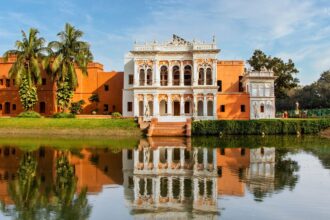
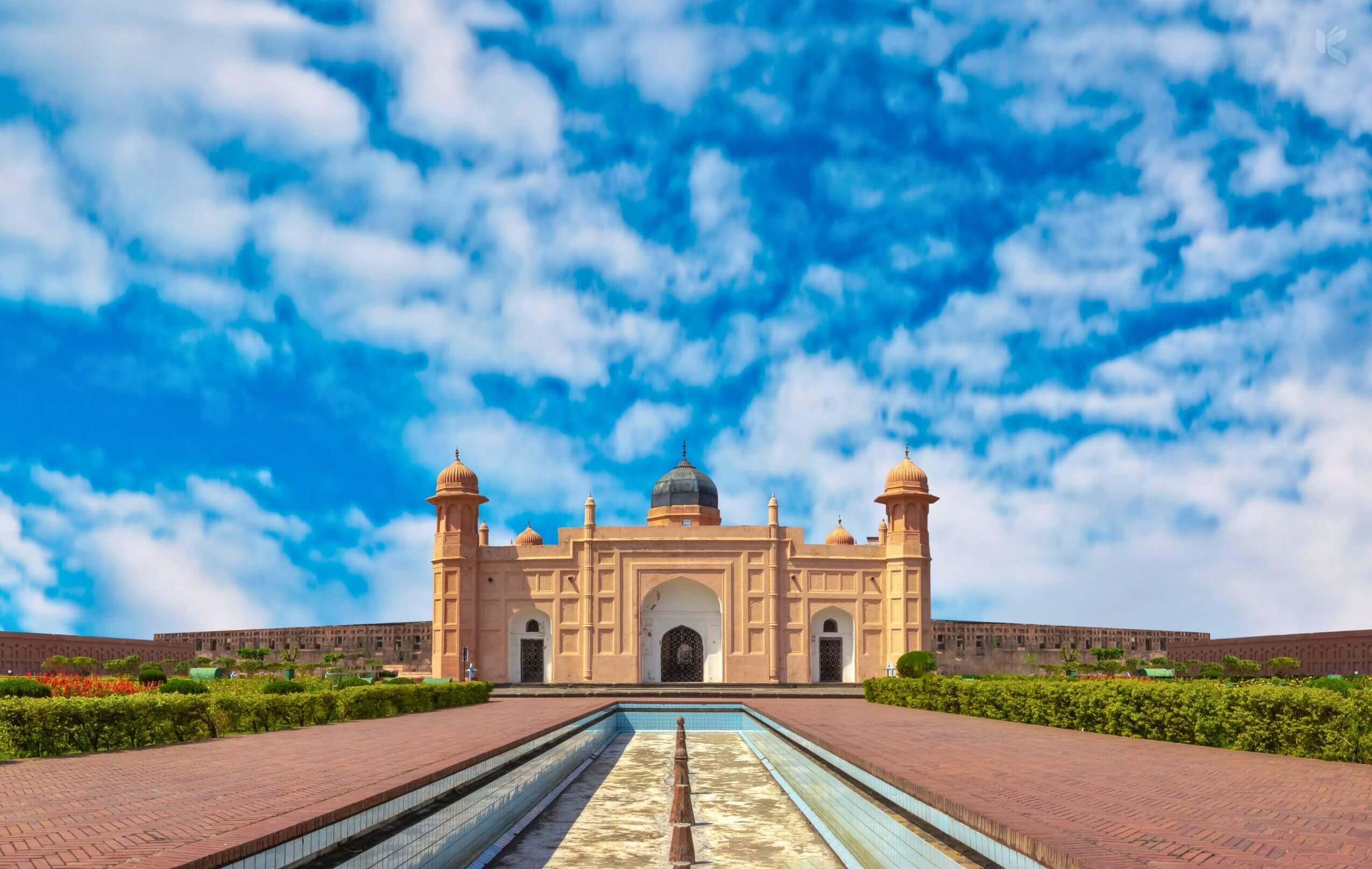
Dhaka’s old city is chaotic, crowded, loud, and endlessly fascinating. The 17th-century Lalbagh Fort, built during the Mughal period, sits near the riverbank and is one of the most historically significant sites in the country. The Ahsan Manzil (Pink Palace) is a riverside mansion that served as the official residential palace of the Nawabs of Dhaka and now functions as a museum. Wandering through Shakhari Bazaar and Islampur – the old conch shell workers’ quarter and the wholesale fabric district – gives you a window into craft and trade traditions that haven’t changed much in centuries.
Visit the Sundarbans
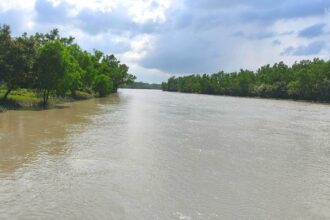
The Sundarbans is the defining natural experience that Bangladesh offers. This massive mangrove delta, stretching across Bangladesh and the Indian state of West Bengal, is home to the Royal Bengal Tiger, Irrawaddy dolphins, saltwater crocodiles, spotted deer, and hundreds of bird species. Tours depart from Khulna or Mongla, typically running 2–4 nights on a boat. You won’t be guaranteed a tiger sighting – but the forest itself, glimpsed from the deck of a slow-moving launch through narrow tidal channels, is unlike anything else.
Cox’s Bazar and Saint Martin’s Island
Cox’s Bazar‘s beach is legitimately impressive in scale – over 120 kilometers of unbroken shoreline. The beach itself is wide, sandy, and lined with fishing boats that go out each morning. The area gets very busy with domestic tourists during winter, particularly around Laboni Point and Kolatoli. For something quieter, the island of Saint Martin’s (Narikel Jinjira) – Bangladesh’s only coral island, reachable by boat from Teknaf – offers turquoise water, coral reefs, and a slower pace. Travel here is seasonal; boat services typically run from October to early March.
The Tea Gardens of Sreemangal
Sreemangal in the Sylhet division is Bangladesh’s tea capital. The estates here produce some very good tea, and walking through the rolling green terraces in the morning light is a genuinely lovely experience. The town is also the gateway to Lawachara National Park, a small but ecologically rich rainforest where you can spot western hoolock gibbons, various bird species, and occasionally slow lorises.
Ratargul Swamp Forest
Located near Sylhet city, Ratargul is one of the few freshwater swamp forests in Bangladesh – a small but hauntingly beautiful place where trees grow directly out of dark water. You reach it by boat, navigating through narrow channels under a dense canopy. It’s best visited in the monsoon season when water levels are high and the whole forest is flooded, though a dry-season visit still has appeal.
The Ruins of Paharpur
Paharpur in Naogaon district is the site of the Sомапuri Mahavihara, an ancient Buddhist monastery complex dating to the 8th century. It’s a UNESCO World Heritage Site and one of the most significant archaeological sites in the entire subcontinent. The monastery, at its peak, housed hundreds of monks and is believed to have influenced temple architecture as far as Burma and Java. There’s a site museum on the grounds.
Bagerhat’s Mosque City
Another UNESCO World Heritage Site, Bagerhat in Khulna division contains a remarkable concentration of 15th-century mosques built by the Muslim saint Khan Jahan Ali, who founded the city. The Sixty Dome Mosque (Shat Gombuj Masjid) is the most impressive – a vast, terracotta-walled structure with 77 domes (despite the name) that remains fully intact and actively used.
Bandarban and the Chittagong Hill Tracts
For trekkers and adventurers, the hill tracts in southeastern Bangladesh offer a completely different landscape from the rest of the country – forested hills, indigenous communities (the Marma, Chakma, Tripuri, Murong, and others), and trails leading to peaks including Keokradong and Tahjindong, which are among the highest points in the country. Permits are required for some areas, and the security situation in parts of the region has historically been complex – check current conditions before planning a visit.
Best Beaches and Scenic Spots
Cox’s Bazar remains the main beach destination in Bangladesh by a wide margin. The beach runs unbroken for kilometers, and while it gets busy during peak domestic tourism season, early mornings and the stretches south of the main tourist area near Himchari are relatively peaceful.
Saint Martin’s Island (Narikel Jinjira) is the more scenic option for travelers specifically looking for coral, clear water, and a quieter atmosphere. The island is small – you can walk it in a few hours – and has a charm that Cox’s Bazar’s main beach areas lack. Accommodation here is basic but improving.
Kuakata on the south coast is known as “Daughter of the Sea” among Bengali travelers and offers the rare attraction of being able to watch both sunrise and sunset over the same stretch of water. It’s significantly less developed than Cox’s Bazar and attracts fewer international visitors.
Kaptai Lake in Rangamati, the largest man-made lake in Bangladesh, sits in a hill landscape that looks nothing like the rest of the country. Boat trips around the lake and into surrounding hill communities are worth the time.
Suggested 3-Day Bangladesh Itinerary
This itinerary is Dhaka-centered, with one overnight excursion. It works well for first-time visitors arriving and departing through Dhaka.
Day 1: Old Dhaka and Riverside Start at Lalbagh Fort in the morning before the crowds. Walk through the surrounding lanes – Shakhari Bazaar for the conch shell workshops, Islampur for the chaos of the fabric wholesale market. Lunch at a local restaurant (any biryani spot in Old Dhaka is a safe bet). Afternoon at Ahsan Manzil followed by a walk along Buriganga riverbank at Sadarghat to watch the launches and wooden boats. Evening in Gulshan or Banani for dinner.
Day 2: Day Trip to Sonargaon Sonargaon, about 27 kilometers from Dhaka, was the medieval capital of Bengal and contains the Panam City ruins – a row of largely abandoned merchant mansions that make for a genuinely atmospheric morning. The nearby Folk Art Museum has a good collection of traditional crafts. Return to Dhaka by afternoon. Optional: take the metro or ride-hailing apps throughout the day to experience the city’s transport options.
Day 3: Departure Day / Dhaka City If your flight is in the evening, use the morning for the Liberation War Museum (Muktijoddha Jadughar), which provides important context for understanding modern Bangladesh and the 1971 independence war. The National Museum in Shahbagh has excellent permanent galleries covering the country’s history, archaeology, and folk traditions. Wrap up at a local café for tea and mishti (Bengali sweets) before heading to the airport.
For a longer trip, add 2–3 nights in Sylhet (tea gardens + Ratargul) and 2 nights in Khulna/Sundarbans.
Read more: Bandarban Travel Guide for First-Time Visitors
Where to Stay
Budget
Budget guesthouses in Dhaka typically run BDT 800–2,000 per night ($7–18 USD) for a clean, no-frills room. Areas like Bangshal, Paltan, and Farmgate have concentrations of budget accommodation. Outside Dhaka, options in destinations like Cox’s Bazar and Sylhet can be found for similar prices, though facilities vary widely. Always check reviews before booking, as quality is inconsistent.
Mid-Range
The mid-range category in Bangladesh ($20–60 USD per night) has expanded significantly in major cities and popular tourist destinations over the past few years. In Dhaka, Gulshan and Banani have solid mid-range hotels with reliable Wi-Fi, air conditioning, and breakfast included. In Cox’s Bazar, the hotel strip near Kolatoli has dozens of options in this range.
Luxury
Dhaka has a handful of international-standard five-star hotels, including Le Méridien Dhaka, Radisson Blu, Pan Pacific Sonargaon, and the InterContinental. Rates typically run $120–250 USD per night. Outside Dhaka, genuine luxury options are limited, though Cox’s Bazar has a few resort-style properties catering to higher-end domestic travelers.
Beach Resorts
Cox’s Bazar has a growing number of resort-style properties, some with private beach access or sea-view rooms. The area around Long Beach and Sugandha Point has seen considerable development. Saint Martin’s Island accommodation is basic by comparison – expect simple guesthouses and bungalows rather than resort facilities.
Note: Prices fluctuate significantly during peak season (November–February) and around national holidays. Booking ahead is strongly recommended for Cox’s Bazar and Sylhet during these periods.
Where to Eat and What to Try
Bangladeshi food is distinct from the Indian cuisine that many international travelers might expect as a default comparison. It’s rice-centered, built around freshwater fish (ilish/hilsa is the national fish and a source of genuine cultural pride), and tends to be less spice-heavy than North Indian cooking, though still deeply flavored.
Where to eat: In Dhaka, local restaurant chains like Fakruddin, Star Hotel, and various Old Dhaka establishments are excellent starting points for traditional food. For a more casual experience, small neighborhood eateries serving set meals (rice, dal, fish or chicken curry, vegetable dish) cost BDT 80–200 ($0.70–1.70 USD) for a full meal. The street food scene in Old Dhaka around Chowk Bazar and around Dhaka University is particularly good for snacks and evening bites.
Local Foods to Try
Ilish (Hilsa) curry — the national dish in all but name. The hilsa fish cooked in mustard paste (shorshe ilish) is something that Bangladeshis are deeply attached to, and for good reason. Try it at least once.
Kacchi Biryani — a slow-cooked biryani made with raw (kacchi) mutton and fragrant rice. Dhaka’s Old City biryani is legendary, with restaurants like Haji Biryani in Nazira Bazaar drawing lines that extend into the street.
Bhuna Khichuri — a thick, savory porridge of rice and lentils cooked with spices. Particularly popular on rainy days and often served with fried hilsa.
Pitha — traditional rice cakes, typically sweet, made with rice flour, palm jaggery, and coconut. Best found during winter festivals or at specialty stalls. The varieties (chitoi, bhapa, patishapta) are numerous and each region has its own versions.
Mishti Doi — a thick, sweetened, slightly caramelized yogurt that’s eaten as dessert across Bangladesh. The version from Bogura is considered the gold standard.
Dal Puri and Singara — common breakfast and street snack items, essentially lentil-stuffed flatbreads and triangular pastries. They’re everywhere and very good.
Shutki (dried fish) — an acquired taste, but integral to the cuisine, particularly in coastal areas. Used as a flavoring agent in curries rather than eaten alone.
Read more: USA Travel Guide for First-Time Bangladeshi Visitors
Estimated Travel Budget
Prices below are approximate and given in USD per person per day. They will vary by season, location, and your choices on any given day.
Budget Traveler
| Category | Estimated Daily Cost (USD) |
|---|---|
| Accommodation | $7–12 |
| Food | $4–8 |
| Transportation | $3–8 |
| Activities | $2–5 |
| Estimated Daily Total | $16–33 |
Mid-Range Traveler
| Category | Estimated Daily Cost (USD) |
|---|---|
| Accommodation | $25–50 |
| Food | $10–20 |
| Transportation | $8–15 |
| Activities | $5–15 |
| Estimated Daily Total | $48–100 |
Luxury Traveler
| Category | Estimated Daily Cost (USD) |
|---|---|
| Accommodation | $120–250 |
| Food | $30–60 |
| Transportation | $20–50 |
| Activities | $15–40 |
| Estimated Daily Total | $185–400 |
All prices are estimates only. Costs fluctuate based on season, location, group size, and travel style. Always verify current prices directly with accommodation providers and transportation operators before budgeting.
Packing List for Bangladesh
- Light, breathable clothing (cotton is ideal for the climate)
- At least one or two modest outfits covering shoulders and knees for visiting mosques and religious sites
- Comfortable walking shoes and sandals
- Light rain jacket or compact umbrella (useful even outside monsoon season)
- Sunscreen and a hat – the sun is strong even in winter
- Insect repellent, particularly for visits to the Sundarbans, Ratargul, or Lawachara
- Water purification tablets or a reliable water bottle with a filter
- Basic medications: oral rehydration salts, antidiarrheal medicine, antihistamines
- Power adapter (Type C, D, or G)
- Portable power bank
- Offline maps downloaded (Google Maps works well in Bangladesh; download offline for the areas you’re visiting)
- Copies of your passport, visa, and travel insurance – keep digital backups
Safety Tips
Bangladesh is generally safe for tourists visiting mainstream destinations. Major tourist destinations such as Dhaka, the Sundarbans, Cox’s Bazar, and the historical sites of Bangladesh are generally considered safe. Tourist areas are well-monitored, and there is no indication that foreigners were targeted during periods of unrest.
That said, a few practical points:
- Petty theft can occur in crowded areas, particularly at Sadarghat, Dhaka’s busy bus terminals, and beach tourist areas. Keep your phone and wallet secure in crowds.
- Traffic is the most consistent danger for visitors. Road safety standards are lower than most travelers will be accustomed to. Use reputable buses, avoid budget night coaches on long routes, and be cautious crossing streets in Dhaka.
- Use ride-hailing apps like Pathao or Uber in cities to avoid the common scam where drivers quote inflated fares. Screenshot fare estimates before boarding.
- The Chittagong Hill Tracts in Bandarban and surrounding areas require permits for certain zones and have had security concerns in the past. Research current conditions carefully before planning trekking routes here.
- Drink bottled or filtered water only. Tap water is not safe for travelers. Ice in local restaurants may be a risk as well.
- Medical services in Bangladesh are limited outside major cities. Medical evacuation to nearby countries like Singapore or Thailand may be necessary for serious conditions. Comprehensive travel insurance covering medical evacuation is strongly recommended.
- Avoid political gatherings and public demonstrations. They can escalate unexpectedly.
Check your government’s current travel advisory before traveling, and register with your embassy or consulate if your government offers that service.
Read more: 15 Tips for Traveling to Bangladesh
Practical Travel Tips
Get a local SIM card: Available at the airport on arrival from operators including Grameenphone, Robi, Banglalink, and Teletalk. Data is cheap – a few hundred taka will cover you for a week. Read more: Best SIM Card in Bangladesh for Tourists
Download offline maps: Coverage in cities is good, but connectivity drops in rural areas and during travel through the Sundarbans or hill tracts.
Carry cash: ATMs are available in major cities and accept international Visa and Mastercard, but rural areas are largely cash-only. Withdraw enough for multi-day excursions before leaving city centers.
Bargain, but respectfully: Prices in markets and with CNG drivers are almost always negotiable. Start lower than you expect to pay and work toward a middle ground. Don’t be aggressive; a calm, friendly approach works best.
Book trains and intercity buses in advance: During peak season (November–February) and around Eid holidays, tickets sell out days or weeks ahead. The national railway e-ticketing system (eticket.railway.gov.bd) works for advance booking.
Learn a few words of Bengali: Even basic attempts – “dhonnobad” (thank you), “kemon acho?” (how are you?), “kothai jabo?” (where should I go?) – are met with genuine warmth and appreciation.
Start early. Morning is the best time to visit historical sites, markets, and nature destinations before crowds and heat build up.
Read more: Top 25 Travel Tips Every Traveler Should Know
Local Culture and Etiquette
Bangladesh is a predominantly Muslim country, and this shapes much of its social culture, though the Bengali cultural identity – with its deep literary, musical, and artistic traditions – also plays a significant role in daily life.
Greetings: The most common greeting is “Assalamu Alaikum” (a Muslim greeting, responded to with “Wa Alaikum Assalam”). You may also hear “Namaskar” from Hindu communities. A smile and nod work universally. Handshakes between men are common; between men and women, wait to see if a hand is offered before extending yours.
Dress: Modest dress is expected, particularly outside of upscale urban areas and beach destinations. Women should cover their shoulders and ideally wear clothing that covers the knees. Men in shorts are generally fine in tourist areas but may attract attention in rural settings. At mosques, shoes must be removed; women should cover their hair.
Photography: Ask before photographing people, particularly women and in rural communities. At religious sites, check whether photography is permitted before raising your camera. People are generally welcoming toward photographers, but the courtesy of asking makes a significant difference.
Tipping: Not traditionally expected in the way it is in Western countries, but appreciated at restaurants and by guides and drivers. Rounding up the bill or adding 10% is a reasonable standard in mid-range to upscale settings.
Religious customs: Friday is the primary day of prayer, and you may find some businesses and government offices closed or operating reduced hours. During Ramadan, eating, drinking, or smoking in public during daylight hours is culturally sensitive and should be avoided.
Shoes: Remove footwear before entering mosques, temples, and many homes.
Responsible Travel
Single-use plastic is a genuine environmental problem in Bangladesh, particularly along coastal areas and rivers. Carry a reusable water bottle and shopping bag. Refuse plastic bags when offered in markets.
Eating at locally owned restaurants, staying at family-run guesthouses, and buying handicrafts from artisans directly benefits communities far more than spending at international chains. Bangladesh’s Jamdani weaving, Nakshi Kantha embroidery, and Muslin crafts are worth seeking out.
In the Sundarbans, follow your guide’s instructions without exception. Do not feed animals, collect shells or coral at Saint Martin’s, or stray from permitted paths in national parks.
Rural Bangladesh is not a photo-op. If you want to take portraits, build a conversation first, get consent, and offer to share the image if you can. Photographing poverty as spectacle is disrespectful.
Ratargul, the Sundarbans, and Lawachara all have visitor regulations designed to minimize impact. Take them seriously and choose operators who do the same.
Read more: 10 Benefits of Traveling Alone
Frequently Asked Questions
Is Bangladesh safe for tourists?
Bangladesh’s major tourist destinations – Dhaka, the Sundarbans, Cox’s Bazar, and historical sites – are generally considered safe, with tourist areas well-monitored. However, some rural and border regions carry additional risks, and travelers should check current advisories. Petty theft and traffic are the most common concerns for visitors.
Do I need a visa to visit Bangladesh?
Bangladesh offers three routes depending on your passport: visa-free entry for around 21 nationalities, visa on arrival for around 72 nationalities at Dhaka, Chittagong, and Sylhet airports, and visa before arrival for everyone else. Always verify your specific situation with the Bangladesh embassy or consulate covering your country.
What is the best time to visit Bangladesh?
November to February is the most comfortable time to visit, with cool, dry weather and clear skies. This is also the peak tourist season, so prices are higher and popular destinations busier.
How much does it cost to travel in Bangladesh?
Bangladesh is one of the more affordable destinations in Asia. Budget travelers can manage on $16–33 per day including accommodation, food, and getting around. Mid-range travel typically runs $48–100 per day, and a more comfortable approach with good hotels and domestic flights will cost $185–400 per day.
Can I drink tap water in Bangladesh?
No. Tap water is not safe for travelers. Drink bottled water or use a filter. Be cautious with ice at local restaurants.
What language is spoken in Bangladesh?
Bengali (Bangla) is the official language. English is widely spoken in urban professional settings, at hotels, and among educated Bangladeshis, but functional English is less common in rural areas and local markets.
What currency is used in Bangladesh?
The Bangladeshi Taka (BDT). ATMs in major cities accept international Visa and Mastercard cards. Carry cash for rural areas and markets.
Is Bangladesh good for solo travel?
Yes, including for solo female travelers, though some practical precautions apply — particularly around dressing modestly, avoiding isolated areas after dark, and being cautious in very crowded public spaces. Most solo travelers report finding Bangladeshis extremely friendly and helpful.
How do I get around Dhaka?
The metro rail (MRT Line 6) is now a practical option for north-south movement in the city. For other routes, Uber and Pathao ride-hailing apps are the most straightforward. CNG auto-rickshaws are everywhere but require fare negotiation before boarding.
Do I need travel insurance for Bangladesh?
Yes, strongly recommended. Medical services are limited outside major cities, and evacuation to countries like Singapore or Thailand may be necessary for serious health issues. Make sure your policy covers medical evacuation and emergency repatriation.
What is the best way to see the Sundarbans?
Book a 2–4 night guided boat tour departing from Khulna or Mongla. Tours are offered by government-approved operators and private companies. The Bangladesh Parjatan Corporation (the national tourism authority) can provide guidance on licensed operators. Book in advance during peak season.
Final Thoughts
Bangladesh rewards travelers who come with curiosity and a reasonable amount of patience. It doesn’t hand you a polished tourist experience on a plate. Roads can be slow, cities are chaotic, and infrastructure outside major centers is limited. But that’s also what makes it interesting.
The country has an authenticity that regions more heavily visited by international tourists have largely lost. People here aren’t performing their culture for cameras – they’re living it, and most of them are genuinely curious about visitors who have made the effort to come.
Whether you spend a week in Dhaka and the Sundarbans or six weeks working your way through the tea gardens, hill tracts, river deltas, and archaeological sites, you’ll likely leave with the same conclusion that most travelers who come here reach: Bangladesh was better than expected, and there’s more to come back for.
For more destination guides across Bangladesh from Sylhet and Sreemangal to Cox’s Bazar, the Sundarbans, and lesser-known corners of the country keep exploring Kuhudak.
References
- Visa and entry routes for Bangladesh travelers — Bangladeshtrail
- Bangladesh travel budget guide — Travelwithhello
- Bangladesh safety guide — Thingstodoinbangladesh
- Best time to visit Bangladesh — Responsibletravel
- Bangladesh weather and climate seasons — Agatetravel
- Public transport guide for Bangladesh — Jarniascyril